
RESTORATION LEAD GENERATION & MARKETING
Get More Restoration Leads.
Turn Urgent Calls Into New Jobs.
Reach property owners who need help with water, fire, mold or storm damage. LeadStead manages your ads, landing pages and call tracking to bring exclusive restoration inquiries directly to your team.
- Campaign leads sent to your company. Never resold by us.
- Target the restoration services and loss types your team handles.
- Campaigns matched to your territory, hours and response capacity.
Backed by a 30-day performance guarantee. We agree on a measurable campaign target before launch. If we miss it, we refund your first month’s management fee.
Let’s Bring More Restoration
Work to Your Business.
Tell us which restoration services you want to grow and where your team can respond. We’ll review your market and discuss your campaign.
For established restoration companies ready to grow.
CLIENT RESULTS
See What We’ve Helped Clients Achieve.
Examples from our work with commercial paving and cleaning companies. Explore the results and the campaigns behind them.
PAVING Company | Toronto Paving Company
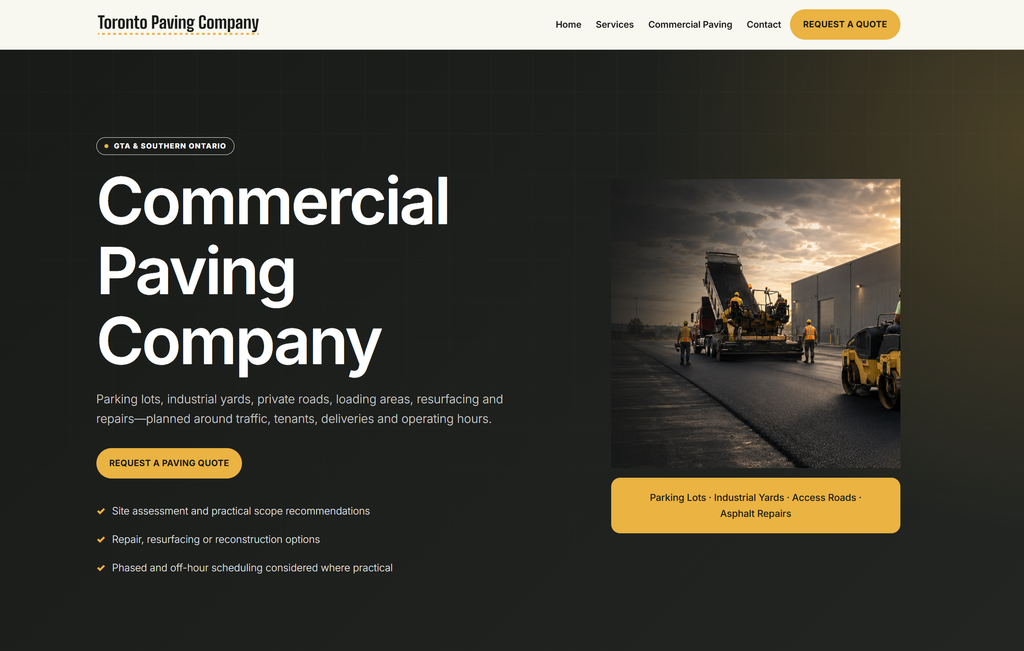
5–7 qualified leads per month
From an average of five leads per year to five to seven qualified inquiries per month. LeadStead redesigned the website, launched paid campaigns and improved search visibility.
CLEANING Company | Target Cleaning Services
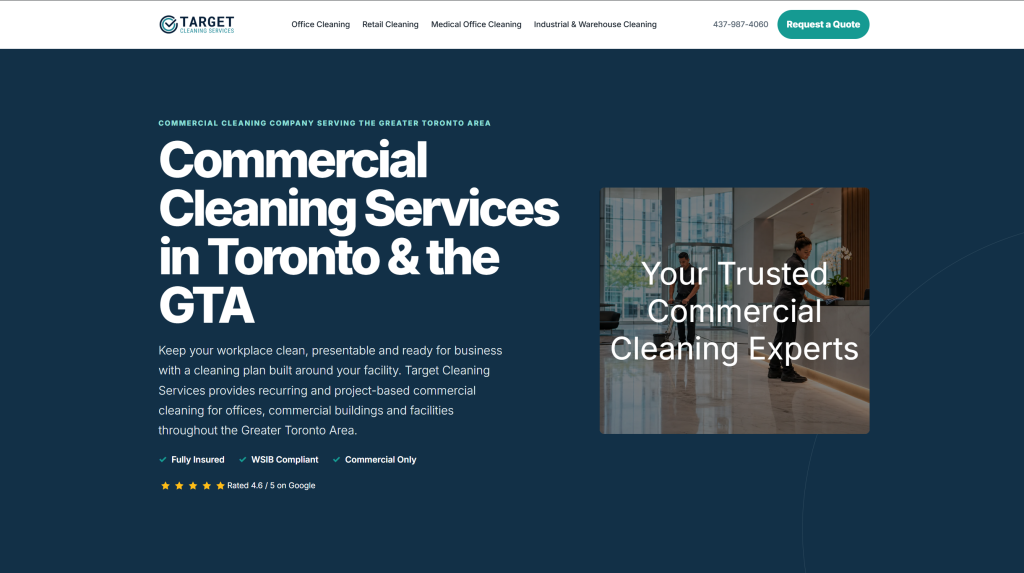
2–3 leads per day
From two to three leads per month to two to three per day. A website rebuild, Google Ads, Bing Ads and local SEO helped the company generate more commercial cleaning inquiries.
A CAMPAIGN BUILT FOR YOU
Restoration Lead Generation
Built Around Your Response Team.
When a property owner needs restoration help, they need a clear way to reach a company that can respond. We connect your advertising, landing pages and call routing around the losses you handle and the territory your team covers.
01
Property owners connect with your company.
Your campaign uses your restoration company’s branding and sends inquiries to your team. LeadStead does not resell those leads to competing restoration companies, so the customer relationship starts with your business.
02
Focus on the loss types you want to handle.
Water mitigation, fire cleanup and mold remediation involve different customer needs. We agree on the services, property types and locations you want to target, then build the campaign around that work.
03
Keep advertising aligned with your response capacity.
Your service territory, intake process and crew availability shape the campaign. We align the advertised hours and areas with your ability to respond, and review them with you as active jobs and capacity change.
A direct path from inquiry to your response team. We set up the agreed phone, email, SMS or CRM delivery. Your team handles intake, dispatch, assessment and the restoration work.
CHOOSE YOUR PRIORITY SERVICES
Water. Fire. Mold. Storm Damage.
Focus on the Work You Handle.
Your campaign should reflect the restoration services you actually provide. We match the ads and landing pages to each service, with residential and commercial targeting where it fits your business.
Water Damage Restoration Leads
Reach property owners looking for water extraction, flooded-basement cleanup, sewage-backup cleanup or structural drying. Campaigns focus on the damage and mitigation services your crews are equipped to handle.
Fire & Smoke Restoration Leads
Connect with homeowners and property managers seeking help after fire or smoke damage. Explain your company’s services and make it easy to contact your team to discuss the property and arrange an assessment.
Mold & Storm Restoration Leads
Promote the mold remediation and storm-damage services your company offers. Residential and commercial campaigns can be separated to reflect the property types and losses your team is equipped to handle.
WHAT LEADSTEAD HANDLES
We Manage the Marketing.
Your Team Restores the Property.
Bring your advertising, landing pages and call tracking together under one managed program. We handle the campaign work, review lead quality and keep you informed about the restoration inquiries it produces.
Reach People Searching for Restoration Help
We build Google Ads around the restoration services people are searching for in your area. Urgent campaigns prioritize a clear path to contact your team. Other channels, including Meta Ads, are considered where they fit the service and campaign objectives.
- Restoration service and keyword strategy
- Response-territory and operating-hours targeting
- Ongoing bid and budget management
Make It Easy to Reach Your Response Team
Your landing page matches the damage or service in the ad, explains what your company handles and makes the next step clear. Mobile call buttons and focused forms help property owners contact your team with the details you need.
- Landing-page copy, design and development
- Your company name, branding and offer
- Mobile call buttons and inquiry forms
See Which Inquiries Match Your Services
Campaign tracking numbers route calls to your team and help connect inquiries to their advertising source. We review the service requested, location and other agreed criteria, then use lead-quality feedback to improve the campaign.
- Call source, answer status and form tracking
- Spam, duplicate and lead-quality review
- Lead routing and performance reporting
LeadStead manages the campaign and lead delivery. Your restoration team answers calls, arranges the response, inspects the loss, explains the scope, obtains authorization and completes the work.
LEAD QUALITY COMES FIRST
Qualified Restoration Leads.
Defined Around the Losses You Handle.
Your crews need inquiries for restoration work they can take on. Before launch, we define the services, territory, property types and other requirements an inquiry must meet to count as a qualified lead.
- A genuine prospect requesting a restoration service included in your campaign
- A property inside your approved service area
- Usable contact details so your team can follow up
- An inquiry that meets the agreed loss-type, property and timing requirements
Spam, wrong numbers, job seekers, sales pitches, unsupported services and out-of-area requests are excluded from qualified-lead reporting. We also document duplicate rules and any loss-type or property exclusions before launch.
30
DAY PERFORMANCE
GUARANTEE
OUR COMMITMENT
A Measurable Target.
Our Management Fee on the Line.
Before your restoration campaign launches, we agree in writing on a measurable first-30-day benchmark based on your services, territory, response hours, market, advertising budget and qualified-lead criteria.
If we miss the agreed benchmark, we refund your first month’s management fee. You know what we are measuring and how success will be assessed before the campaign starts.
The guarantee is subject to the agreed campaign terms and eligibility requirements. It covers the first-month management fee only; advertising spend is not refundable by LeadStead. Eligibility requires the agreed media budget, timely approvals, functioning lead delivery and no material client-driven interruption or change during the first 30 days. It does not guarantee signed jobs or revenue.
BUILT FOR ESTABLISHED RESTORATION COMPANIES
Ready to Take on More Restoration Work?
Let’s Look at Your Market.
This program is designed for established restoration companies with trained crews, available response capacity and a reliable process for turning inquiries into assessed and authorized work.
- You know which restoration services, loss types and locations you want to target.
- Your team answers urgent calls promptly and follows up on new inquiries.
- You have crew, equipment and response capacity for additional jobs.
- You can support an ongoing advertising campaign and track what happens to the leads.
Management starts at $2,500/month, with advertising paid separately. This restoration program requires at least $5,000/month in ad spend. View pricing and package details →
YOUR QUESTIONS, ANSWERED
Restoration Lead Generation FAQs
How do we get started with restoration lead generation?
We review your website and follow up about your restoration services, territory, response hours and capacity. We then assess the market and discuss a campaign plan. Before launch, we agree on the scope, budget, qualified-lead criteria and first-30-day performance benchmark.
Will these restoration leads be shared with other contractors?
No. Inquiries generated through your campaign go to your restoration business and are not resold by LeadStead. Customers can still independently contact other contractors while choosing a provider.
Can campaigns match our emergency response hours?
Yes. Your ad schedules and emergency-service messaging are based on the hours your team can answer calls and respond. If you offer 24/7 service, that can be reflected in the campaign. Otherwise, we build around your actual availability.
Can we target commercial restoration and specific loss types?
Yes. We can build campaigns around the residential or commercial work you want, with separate messaging for property owners, managers and businesses where appropriate. Before launch, we agree on the restoration services, property types and loss criteria your team is prepared to handle.
Does LeadStead handle emergency intake or dispatch?
Your restoration company answers calls, assesses the request and arranges the response. This program covers campaign management, tracking, lead review and routing. Any additional intake, follow-up or appointment-setting service would need to be agreed separately.
Do we need to replace our website?
No. We can use suitable pages on your current site or create dedicated restoration landing pages with your branding. A water-damage campaign can lead to a page focused on that service, with a clear call option and a form for relevant property details.
Can you help with restoration SEO and local search?
Yes. We can discuss SEO and local SEO as part of a broader restoration marketing plan. The program described here focuses on paid ads, landing pages, tracking and optimization. See our pricing and packages for the available scope.
How many restoration leads can we expect?
Volume depends on your territory, competition, service mix, response hours, advertising budget and local demand. Water mitigation, fire damage and mold inquiries can have different costs and sales processes. We review the market before agreeing on a benchmark; qualified leads are opportunities for your team to pursue.
What happens if our restoration crews reach capacity?
Tell us when your crews, equipment or intake team reach capacity so we can review the advertising schedules, services, territory and budget allocation with you. Any material change during the first 30 days should be agreed in advance because it may affect the guarantee benchmark.
Do we own the ad account and control the budget?
Yes. Your company owns the advertising account and pays the platforms directly. You approve the budget, and LeadStead receives the access needed to manage the campaign. There is no additional LeadStead fee for each lead generated.
LET’S TALK ABOUT YOUR NEXT STAGE OF GROWTH
Connect With Property Owners
Who Need Your Restoration Team.
Tell us which restoration services you want to grow and where you can respond. We’ll review the opportunity and discuss a campaign built around your company, your territory and your capacity.
Exclusive campaign inquiries. Fully managed advertising. Clear performance targets.